- En
Selecting the best site for power line towers requires balancing complex terrain, environmental, and regulatory constraints while ensuring long-term structural and operational safety. By implementing a professional siting process and conducting thorough safety assessments, enterprise customers of Jintong Towers can minimize risks, reduce maintenance costs, and maximize the reliability of their power infrastructure.
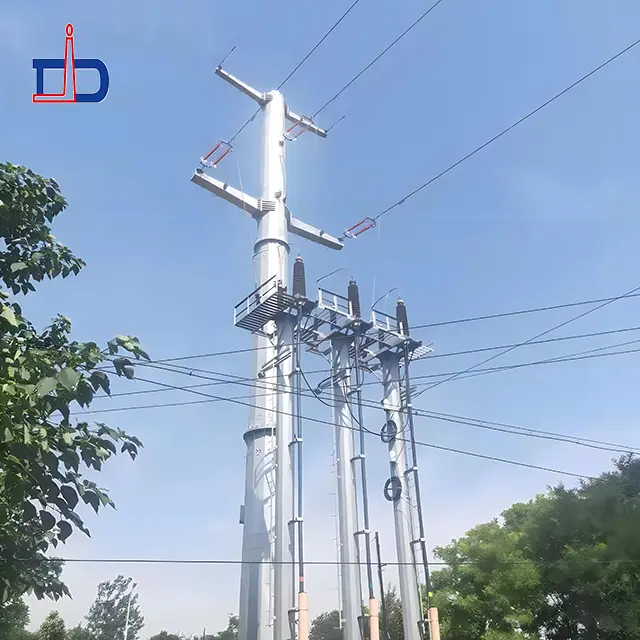
Proper tower siting is critical because it directly impacts construction feasibility, operational efficiency, and long-term safety. Choosing the wrong location can lead to foundation settlement, line deviation, maintenance difficulties, and even power outages. In contrast, a carefully selected site allows for optimal span length, reduced energy loss, and easier maintenance access. Additionally, thoughtful siting helps avoid sensitive areas such as protected ecosystems, flight paths, and residential zones, reducing regulatory challenges and potential liabilities. For enterprise clients working with Jintong Towers, prioritizing site selection early in the project ensures long-term operational reliability and optimizes lifecycle costs.
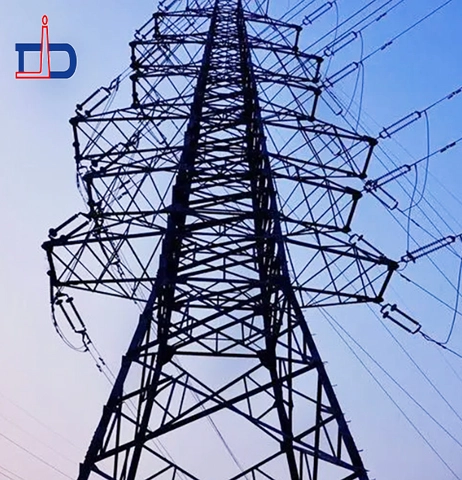
Choosing the right location for power line tower requires balancing engineering practicality and environmental adaptability. Key considerations include soil composition, ground stability, and slope conditions to ensure secure anchoring. Climate factors such as wind zones, snow accumulation, and seismic activity dictate design and material choices. Accessibility is crucial for construction and maintenance, with reliable access roads and clear right-of-way corridors reducing costs. Environmental and social factors, such as minimizing disruption to communities and ecosystems, are also important for regulatory approval and public acceptance. Effective siting finds the intersection of engineering reliability, economic efficiency, and environmental responsibility, where the expertise of a professional electric tower manufacturer like Jintong becomes invaluable.
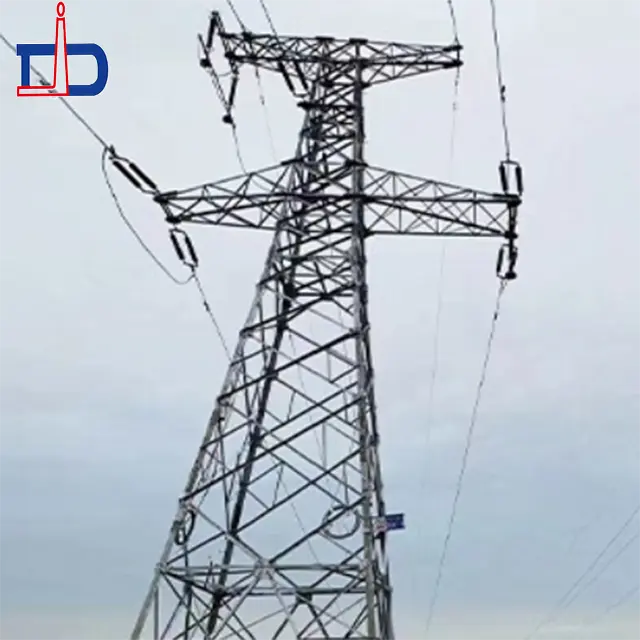
Once towers are installed, the focus shifts to their performance under real-world conditions. Safety hazards often emerge from cumulative environmental and operational stresses. Extreme winds and ice loads can cause conductor galloping, tower vibration, or partial structural failure if preventive measures are not maintained. Corrosion from coastal air or industrial pollution weakens steel members over time, while heavy rainfall and erosion can undermine foundations. Vegetation growing too close to tower transmission lines can trigger short circuits, fires, or outages. Human activity, such as unauthorized climbing, theft of grounding components, and accidental contact, also heightens risk. Electromagnetic and grounding issues can create unsafe voltage conditions, endangering maintenance crews. Recognizing these hazards early and integrating protective solutions such as anti-corrosion coatings, remote monitoring systems, and scheduled inspections is essential to maintaining safe, uninterrupted power transmission.
A robust safety assessment process is essential after siting and before construction. It begins with a pre-siting hazard survey, reviewing terrain, climate data, geotechnical reports, access, and environmental constraints to identify potential risks. Next, risks are prioritized based on site-specific conditions, such as wind, seismic activity, ice, or corrosion exposure. Engineering analysis follows, using structural models to evaluate tower performance under design loads and foundation behavior under varying soil and rock conditions, ensuring safety margins meet reliability standards. Clearance and operational safety are then checked, including vegetation, rights-of-way, emergency access, grounding, electromagnetic compliance, and aviation considerations. Regular inspections and monitoring plans, incorporating sensors for tilt, strain, and corrosion, help assess ongoing tower conditions. Mitigation and maintenance strategies are implemented to address identified risks, including corrosion protection, vegetation control, foundation reinforcement, and replacement plans. Finally, the assessment is documented and reviewed by qualified professionals, forming a comprehensive reference for safe construction and long-term operation. This systematic approach ensures towers remain safe, reliable, and cost-efficient throughout their lifecycle.
In conclusion, strategic site selection and comprehensive safety assessments are essential for ensuring the reliability and safety of power line towers. By prioritizing these steps, Jintong Towers' enterprise clients can maximize project value and achieve durable, high-performance power infrastructure.