- En
A tubular tower is a high-strength, hollow steel structure composed of multiple conical or cylindrical sections joined by flanges or slip joints. It is designed to support heavy loads — such as communication antennas, power transmission lines, wind turbines, or lighting systems — while providing excellent aerodynamic performance and structural stability.
Compared to lattice towers, a tubular tower offers superior aesthetics, reduced maintenance, and better resistance to environmental factors such as wind, ice, and corrosion. These advantages make it a preferred choice in telecommunication, power transmission, wind energy, and lighting applications.
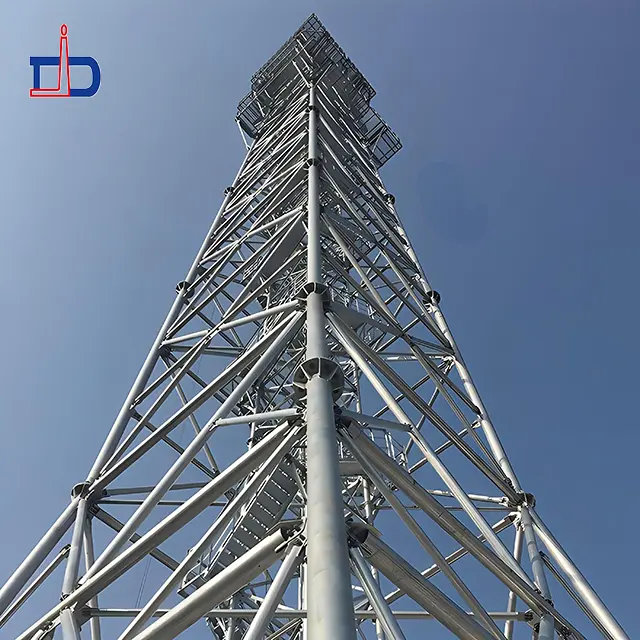
A typical tubular steel tower consists of three to five tapered segments, fabricated from high-grade rolled steel plates that are welded, shaped, and joined together to form a seamless conical structure.
Base Plate: Anchored to the foundation using high-strength bolts
Flange Connections or Slip Joints: Provide mechanical strength between sections
Access Doors and Ladders: Allow maintenance and cable routing inside the tower
Internal Cable Raceway: Protects power and signal cables from weather exposure
Lightning Protection and Earthing System: Ensures operational safety
Heights range from 15 to 120 meters, depending on the application
Cross-section typically circular or polygonal (8, 12, or 16 sides)
Designed according to IEC, TIA-222, or GB/T standards
Structural analysis includes wind load, seismic load, and dynamic vibration calculations
Depending on the industry and functional requirement, steel tubular towers can be classified into several types:
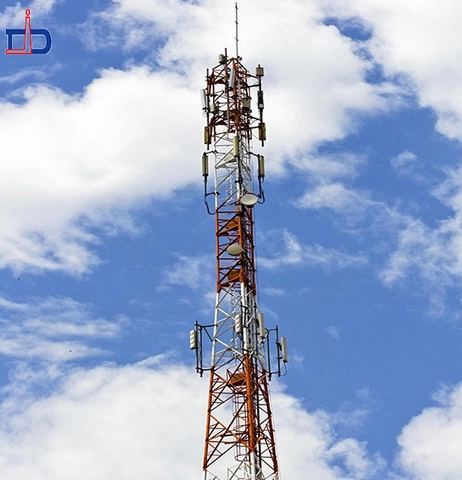
Used for supporting antennas, microwave dishes, and cellular base stations.
Clean design suitable for urban environments
Internal cabling protects against weather
Low maintenance compared to lattice towers
Employed in power lines, especially for urban and coastal projects where space or aesthetics are important.
High mechanical strength for heavy conductor loads
Resistant to corrosion and bird nesting
Easier to inspect and maintain
A crucial component in wind energy systems, supporting nacelles and blades.
Height: 60–140 meters
Fabricated with thick steel plates (up to 60 mm)
Designed for fatigue resistance and dynamic stability
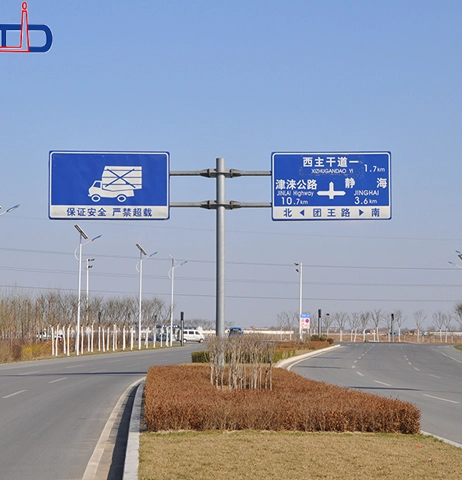
Used for large-area illumination such as airports, seaports, or highways.
Hollow tapered shape allows internal lifting system
Smooth surface reduces wind drag and dirt accumulation
The circular or polygonal shape minimizes wind resistance, reducing dynamic stress and vibration.
Sleek, modern design blends well with urban landscapes — often preferred over lattice towers for city installations.
Manufactured from hot-dip galvanized steel, often with optional polyurethane or epoxy paint for coastal protection.
A single compact base requires minimal land area, ideal for urban and industrial zones. Internal access also protects maintenance staff and equipment.
With proper design and galvanizing, service life typically exceeds 30 years with minimal upkeep.
The closed steel body provides natural shielding, reducing radio frequency interference in telecommunication applications.
At Jintong Towers, the manufacturing of tubular towers follows a precise and standardized process to ensure safety, accuracy, and durability.
Steel plates sourced from certified mills (Q345B, Q420, or S355)
Ultrasonic inspection to detect internal defects
Plates cut into conical shapes using CNC plasma cutters
Rolled into taper using automatic bending machines
Automated welding ensures full penetration and consistent quality
Flanges, ladders, and platforms welded to design specifications
Hot-dip galvanizing (zinc coating ≥85μm) to prevent rust
Optional powder coating for color or extra protection
Dimensional and coating thickness testing
Trial assembly before shipment
Modular sections packed with identification marks for easy field installation
Every step follows ISO 9001:2015, ISO 14001, and ISO 45001 quality management standards.
Tubular towers are highly versatile and used across multiple industries:
| Industry | Application |
Telecommunication | Cellular base stations, microwave links, and broadcasting |
Power Transmission | 110kV–500kV lines, urban distribution systems |
Wind Energy | Onshore and offshore wind turbine supports |
Lighting Infrastructure | High masts for ports, highways, and sports arenas |
Security and Surveillance | Camera and radar installation towers |
Professional tubular tower design adheres to strict international standards:
IEC 60826: Design of overhead transmission structures
TIA-222-H: Communication tower standard
GB/T 2694: Chinese steel tower design code
AWS D1.1: Welding standard for structural steel
ISO 1461: Hot-dip galvanizing requirements
Engineering considerations include:
Wind pressure up to 60 m/s
Seismic intensity up to 9 degrees
Fatigue life exceeding 25 years under cyclic loading
| Feature | Tubular Tower | Lattice Tower |
Structure | Closed steel sections | Open truss framework |
Aesthetics | Sleek, modern appearance | Industrial look |
Wind Resistance | Low drag coefficient | Higher drag |
Maintenance | Internal access, easy | Exposed, harder to clean |
Weight | Heavier | Lighter |
Cost | Slightly higher initial cost | Lower initial cost |
Durability | 30–50 years | 20–30 years |
In urban or coastal areas, tubular towers are generally preferred for their visual appeal, long lifespan, and better corrosion protection.
To ensure safe, long-term operation:
Inspect anchor bolts annually
Monitor weld joints and flange connections for fatigue
Recoat galvanizing if corrosion is detected
Perform ultrasonic testing every 5 years for wind turbine towers
Regular inspection reduces the risk of structural degradation and extends service life.
Jintong Towers is a leading manufacturer and exporter of tubular towers, offering custom-engineered solutions across power, communication, and renewable energy sectors.
Decades of experience in tower and pole fabrication
Advanced CNC rolling, welding, and galvanizing facilities
Customized design per IEC, GB/T, or client specifications
In-house quality inspection and testing laboratories
Efficient logistics for global shipping and installation support
From design to delivery, we provide reliable, cost-effective, and durable steel tower solutions that meet international safety and performance standards.
A tubular tower represents the evolution of steel tower engineering — combining strength, durability, and aesthetics in a single structure. Its aerodynamic performance, corrosion resistance, and low maintenance requirements make it an ideal choice for modern telecommunication, power, and renewable energy projects.
With deep manufacturing expertise and global project experience, Jintong Towers delivers high-quality tubular towers tailored to diverse environments and technical demands — helping customers build efficient and sustainable infrastructure worldwide.
Typically, high-strength low-alloy steels such as Q345B, Q420, or S355 are used for superior load capacity and corrosion resistance.
Tubular towers are commonly 20 to 120 meters tall, depending on application (telecom, power, or wind).
Sections are connected using flanged bolts or slip-fit joints, ensuring structural integrity and easy on-site assembly.
All towers undergo hot-dip galvanizing per ISO 1461, with optional painting for extended corrosion protection.
They offer better aesthetics, lower maintenance, and higher resistance to wind and corrosion, especially in coastal or urban environments.