- En
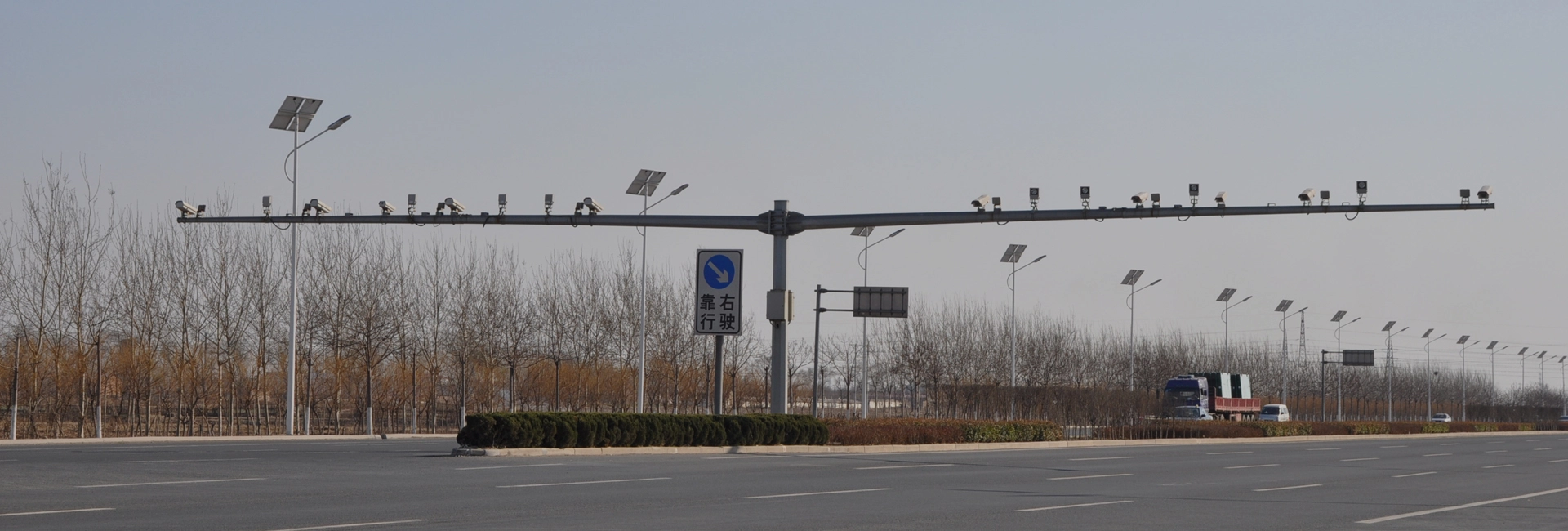
Steel poles provide a reliable and sturdy solution for a wide range of applications, including street lighting, signage, and fencing. Constructed from high-quality steel, these metal steel poles ensure exceptional strength and durability. Their corrosion-resistant properties make them suitable for both indoor and outdoor use, offering long-lasting performance and minimal maintenance requirements.
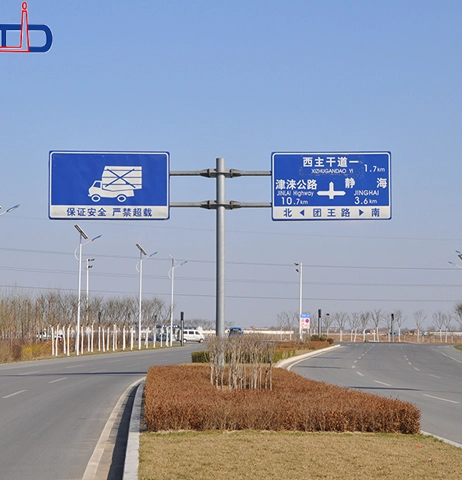
Traffic sign poles play an indispensable role in maintaining road safety and facilitating smooth traffic flow. These structures serve as the backbone for displaying critical information to drivers and pedestrians alike, including speed limits, directions, warnings, and regulatory instructions. By elevating traffic signs to a height where they are easily visible, traffic sign poles ensure that this vital information is communicated effectively, even from a distance and in challenging weather conditions.
The strategic placement and visibility of traffic sign pole directly influence driver behavior, guiding them through complex road networks, alerting them to potential hazards, and enforcing traffic laws that keep all road users safe. For instance, a well-placed stop sign on a metal street pole at a busy intersection can significantly reduce the risk of collisions by clearly signaling drivers to come to a complete halt.
Moreover, traffic steel sign posts are designed to withstand various environmental conditions, from high winds and heavy rains to snow and ice, ensuring that signs remain upright and visible year-round. This durability is crucial for maintaining continuous road safety, especially in areas prone to severe weather.
As a commone type of metal light posts, the steel traffic poles are more than just simple structures; they are a critical component of road safety infrastructure, guiding paths, and protecting lives. Their impact on road safety cannot be overstated, as they provide the necessary cues for safe and orderly driving and walking conditions.
Steel poles have become the preferred choice for modern infrastructure projects due to their strength, reliability, and long-term value. At Tianjin Jintong Power Iron Tower Manufacture Co., Ltd., our steel poles are engineered with precision and designed to perform under the toughest conditions. Here are the key advantages that make metal outdoor pole the superior option.
Steel poles provide excellent structural strength, capable of supporting heavy loads and withstanding harsh environments. Whether it’s strong winds, storms, or seismic activity, steel poles maintain their stability and integrity far better than traditional wooden or concrete alternatives. This makes them ideal for applications such as street lighting, power transmission, and traffic signal supports.
Steel poles are built to deliver long-term durability and exceptional resistance to environmental challenges. Made from high-quality galvanized steel, they withstand corrosion, rust, and UV exposure, ensuring consistent performance even in harsh climates such as coastal or industrial areas. Their superior weather resistance minimizes structural fatigue and surface degradation over time, reducing maintenance costs and downtime for large-scale infrastructure projects. This combination of strength and resilience makes steel poles a reliable and cost-effective choice for outdoor applications that demand both longevity and stability.
Thanks to their corrosion-resistant surface treatments, steel poles require minimal upkeep throughout their lifespan. Unlike wooden poles that may crack or rot, or concrete poles that may chip, steel poles remain strong and reliable with little to no ongoing maintenance—saving time and operational expenses for project owners.
While the initial cost of a steel pole may be higher than alternative materials, its long service life, minimal maintenance, and reliability offer a lower total cost of ownership. This makes steel poles one of the most cost-effective solutions for long-term infrastructure projects.
At Jintong Towers, we provide steel poles in a variety of heights, shapes, and finishes—including round, square, tapered, and polygonal designs. Whether your project requires a sleek, aesthetic lighting pole or a high-load power transmission pole, our team can tailor specifications to meet your exact requirements.
Steel is one of the most recyclable materials in the world. At the end of its service life, a steel pole can be fully recycled and reused without loss of quality. Choosing steel poles not only ensures structural reliability but also supports sustainable infrastructure development.
Steel poles are widely used across multiple sectors, including:
Street and highway lighting
Traffic signal and signage support
Power transmission and distribution
Telecommunications and high-mast lighting
Fencing and outdoor security systems
Their adaptability allows them to serve diverse industries efficiently, ensuring strong performance regardless of the application.
With years of manufacturing experience and a reputation for quality, Tianjin Jintong Power Iron Tower Manufacture Co., Ltd. offers a complete range of steel poles designed for safety, durability, and performance. Each product undergoes strict quality inspection and testing to ensure compliance with international standards.
Our advanced production lines, precision welding techniques, and corrosion-resistant finishes guarantee that every pole delivers exceptional value and reliability—no matter the application. Whether you need steel poles for sale for industrial, commercial, or residential use, our products are engineered to meet your specific needs.
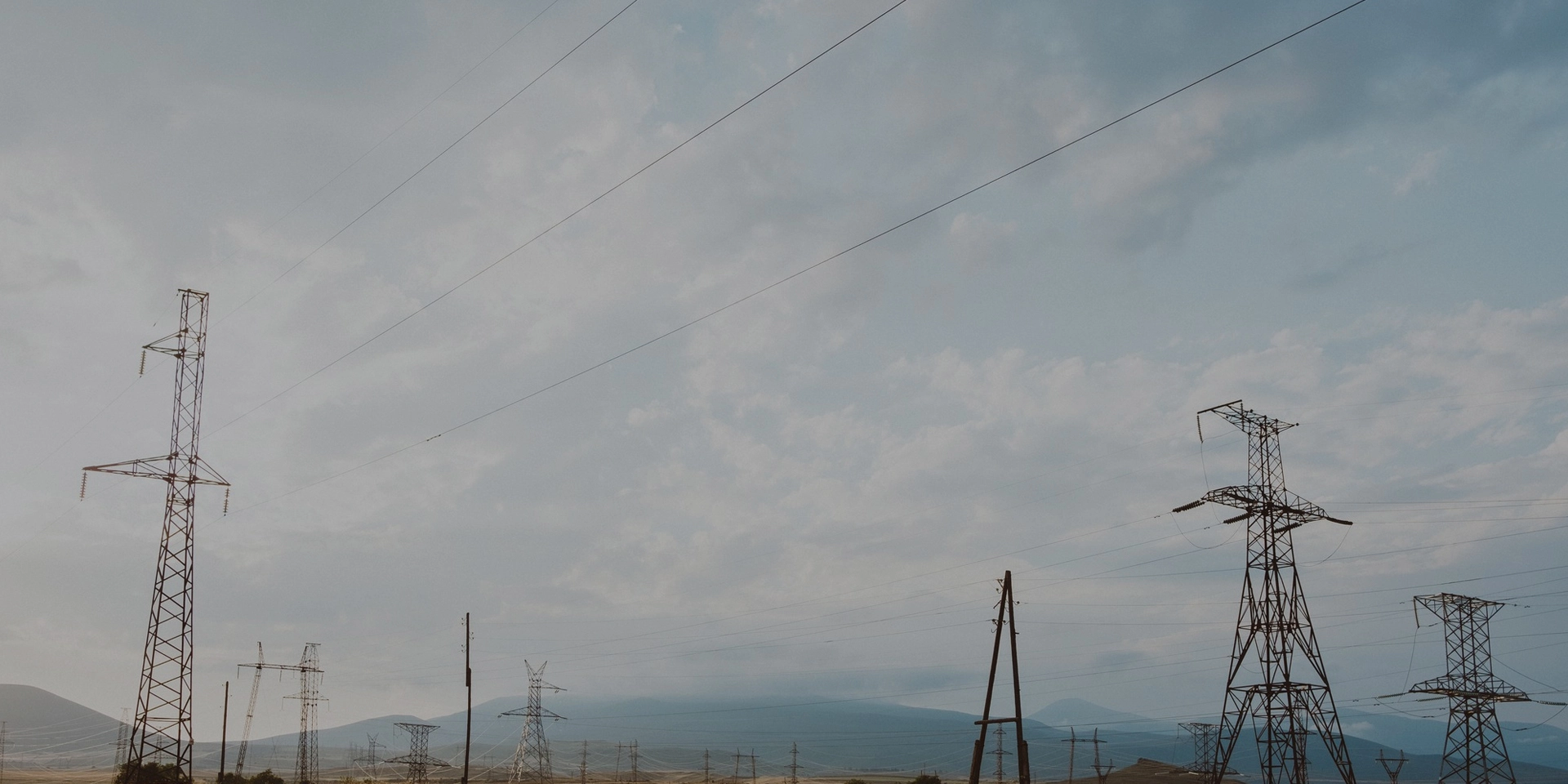
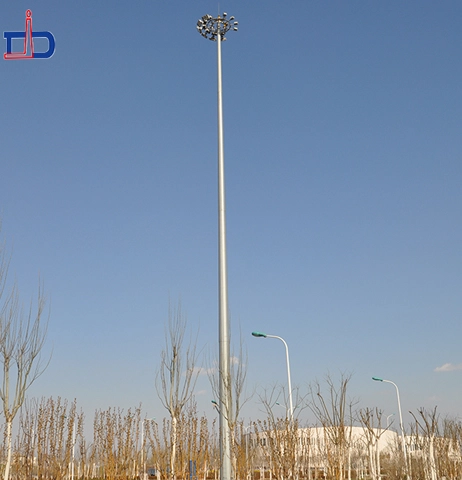
A High mast light pole is significantly taller than regular street light poles, allowing them to illuminate larger areas. They also typically have multiple lighting fixtures mounted at the top, whereas street metal pole for lights usually have only one. High mast poles often feature a lowering system for maintenance, which is not common in regular streetlight poles.
High mast light poles are equipped with a lowering device that allows the lighting fixtures to be brought down to the ground level for maintenance, including cleaning, bulb replacement, and repairs. This system eliminates the need for climbing the pole and ensures safer maintenance practices.
Yes, high mast light poles can also be equipped with cameras, loudspeakers, and other devices for surveillance, public address systems, and even telecommunications antennas, making them versatile structures beyond just lighting.
The lifespan of these light metal frames can vary depending on the material, environmental conditions, and maintenance practices. Generally, galvanized steel poles can last 30 years or more, while aluminum poles may have a slightly shorter lifespan due to their susceptibility to certain environmental factors. Regular maintenance can significantly extend their service life.