- En
In today’s connected world, wireless communication powers everything from broadcasting and emergency response systems to mobile networks and industrial operations. Behind these systems stands one critical infrastructure element: the radio communication tower.
A radio communication tower enables long-distance signal transmission and stable wireless connectivity by supporting antennas and communication equipment at elevated heights. As industries continue to demand faster, more reliable communication systems, the importance of high-quality tower infrastructure has never been greater.
As one of the experienced communication tower manufacturers, JUDING provides durable and customizable tower solutions designed for various communication environments worldwide.
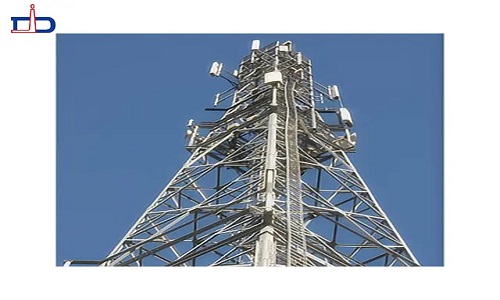
A radio communication tower is a tall steel structure designed to support antennas, transmitters, receivers, and other wireless communication equipment. Its primary function is to elevate communication devices high above the ground, minimizing signal obstruction and maximizing transmission coverage.
These towers are widely used in:
Radio broadcasting stations
Telecommunications networks
Emergency communication systems
Military and defense operations
Internet and wireless broadband infrastructure
Transportation and railway communication systems
Industrial monitoring systems
The height and design of a tower depend on several factors, including terrain, coverage requirements, wind load, and equipment capacity.
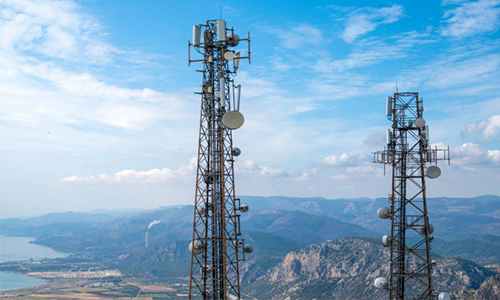
A radio communication tower works by elevating antennas and communication devices to improve line-of-sight signal transmission. The higher the antenna position, the farther radio waves can travel without interference from buildings, trees, or terrain.
The communication process typically follows these steps:
A transmitter generates radio frequency (RF) signals.
The antenna mounted on the tower emits the signals into the air.
Receiving devices capture the transmitted signals.
Signals are processed and converted into voice, data, or video communication.
Because radio waves travel more effectively over unobstructed paths, tower height plays a major role in signal quality and coverage distance.
Greater elevation helps:
Extend communication range
Reduce signal interference
Improve network reliability
Enhance transmission efficiency
For this reason, many industries rely on professionally engineered tower systems from trusted communication tower manufacturers like JUDING to ensure stable long-term operation.
Choosing the right radio communication tower requires careful evaluation of technical, environmental, and operational factors.
Consider:
Transmission range
Signal strength
Geographic coverage area
Higher towers generally provide broader coverage.
Environmental factors significantly affect tower design:
Wind speed
Ice load
Seismic activity
Coastal corrosion exposure
Reliable communication tower manufacturers like JUDING design towers according to international engineering standards for different climates and terrains.
Different projects require different structures:
| Tower Type | Best For | Advantages |
|---|---|---|
| Lattice Tower | Heavy equipment | High load capacity |
| Monopole Tower | Urban areas | Space-saving |
| Guyed Tower | Very tall installations | Cost-effective |
| Self-Supporting Tower | Harsh environments | Strong stability |
Communication demands continue to grow. Choosing a tower with additional load capacity allows future upgrades and equipment additions.
A high-quality tower should comply with:
ISO standards
TIA/EIA standards
Local engineering regulations
Wind and seismic codes
Working with experienced communication tower manufacturers ensures:
Reliable engineering
Quality materials
Long-term durability
Professional installation support
JUDING provides customized communication tower solutions tailored to specific industry requirements, helping customers improve operational efficiency and infrastructure reliability.
A radio tower primarily supports radio broadcasting and two-way radio communication systems, while a cell tower is specifically designed for mobile cellular networks. However, both structures may use similar tower designs and communication technologies.
Radio communication towers are widely used in industries such as telecommunications, broadcasting, public safety, military and defense, transportation, energy, and industrial automation. These towers help ensure stable and long-distance wireless communication for critical operations and network systems.
Radio communication towers provide wide signal coverage, reliable wireless connectivity, and improved communication quality. They also support multiple communication systems and offer long-term durability for future network expansion.
A radio communication tower is a critical part of modern wireless infrastructure, enabling reliable communication across industries and geographic regions. From telecommunications and broadcasting to emergency response and industrial automation, these towers provide the foundation for efficient signal transmission and network stability.
Choosing the right tower involves understanding coverage requirements, environmental conditions, structural design, and long-term scalability. Partnering with experienced communication tower manufacturers is essential to ensure safety, durability, and performance.
As global communication demands continue to grow, high-quality tower solutions from trusted manufacturers like JUDING help organizations build reliable and future-ready communication networks.