- En
As global energy demand continues to grow, the stability and efficiency of power transmission systems have become more critical than ever. Among the many components of a high-voltage transmission network, the terminal transmission tower plays a decisive role in ensuring safe and reliable electricity delivery.
Choosing the right terminal transmission tower is not simply about selecting a steel structure. It involves evaluating electrical performance, environmental conditions, structural strength, material quality, project cost, and the capabilities of the transmission tower company behind the product.
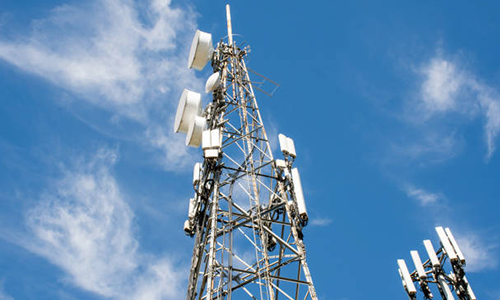
A terminal transmission tower is a specialized type of power transmission tower installed at the endpoint of a transmission line or at locations where the line connects to substations, switching stations, or distribution systems.
Unlike suspension towers that primarily support conductors along straight transmission routes, terminal transmission towers are designed to withstand significant longitudinal tension forces caused by conductor termination and directional changes.
Understanding the functions of a terminal transmission tower is essential before making a purchasing decision.
The primary role of the tower is to securely support transmission lines while maintaining proper conductor clearance and insulation distances.
Terminal towers are designed to resist unbalanced tension forces from conductors. This makes them structurally stronger than ordinary suspension towers.
These towers serve as connection points between:
Transmission lines and substations
Overhead lines and underground cables
Different voltage transmission systems
A properly designed terminal transmission tower helps reduce operational risks, conductor swing, and structural failures during extreme weather conditions.
Reliable tower structures minimize the possibility of electrical faults, line collapse, and maintenance hazards.
Choosing the right transmission tower manufacturer is just as important as selecting the tower itself.
When searching for a professional transmission tower company, it is essential to evaluate manufacturing capability, engineering expertise, quality control systems, and global project experience.
An experienced transmission tower company understands complex engineering requirements and can provide customized solutions for different transmission environments.
Look for companies with:
Long-term manufacturing history
Large-scale project experience
International export capability
Proven engineering cases
A reliable manufacturer should possess:
Advanced CNC production equipment
Automated welding systems
Large galvanizing facilities
Strict quality inspection procedures
Strong manufacturing capacity ensures stable product quality and on-time delivery.
Professional engineering support is critical for successful transmission projects.
An excellent transmission tower company should provide:
Structural analysis
Customized tower design
Load calculations
Foundation recommendations
Installation guidance
Companies such as Jintong can support customized engineering requirements for various voltage levels and environmental conditions.
Choose suppliers with recognized certifications, such as:
ISO 9001
ISO 14001
ISO 45001
Quality assurance processes should include:
Raw material inspection
Dimensional verification
Welding inspection
Galvanization thickness testing
Load testing
A strong international project portfolio demonstrates reliability.
Request references for projects involving:
Utility companies
Renewable energy infrastructure
National grid projects
EPC contractors
Global experience often indicates better technical adaptability and compliance capability.
Reliable after-sales support can significantly reduce project risk.
Key service capabilities include:
Technical consultation
Spare part support
Installation assistance
Maintenance recommendations
Documentation support
Galvanized steel is generally considered the best material for transmission towers because it provides excellent strength, corrosion resistance, durability, and long service life. For harsh environmental conditions, weathering steel or advanced coated materials may also be suitable.
To choose a reliable transmission tower company, evaluate factors such as industry experience, manufacturing capability, engineering support, certifications, project references, and after-sales service. Companies like JINTONG with strong engineering expertise and international project experience are often preferred for large-scale power transmission projects.
A terminal transmission tower is used to support and terminate power transmission lines at substations, switching stations, or connection points within the electrical grid. It is designed to withstand high tension forces and ensure stable power transmission.
Choosing the right terminal transmission tower is a critical decision that directly impacts the safety, efficiency, and longevity of power transmission infrastructure.
The ideal solution should balance:
Structural strength
Environmental adaptability
Material durability
Engineering reliability
Lifecycle cost efficiency
Equally important is selecting a professional transmission tower company capable of delivering customized, standards-compliant, and high-quality solutions.
For utility companies, EPC contractors, and energy infrastructure developers, working with experienced manufacturers such as Jintong can help ensure successful and reliable transmission projects for decades to come.