- En
Communication towers serve as the central pillars of today's digital infrastructure, enabling seamless wireless and wired communications across urban and remote regions alike. As data demands surge and network technologies evolve, reliable communication infrastructure becomes indispensable—and that is precisely where Jintong Towers steps in with expert design, deployment, and support tailored for enterprise connectivity needs.
Connectivity begins with the user device, which sends or receives data via the nearest communication tower. From that tower, the signal is conveyed through intermediary links, including other towers, fiber-optic cables, microwave links, or satellite systems, until it reaches the core network. The core network then routes the data to its final destination, whether it is another device, a server, or an Internet endpoint. Throughout this process, communication towers play a crucial role by performing signal handoffs, amplifying transmissions, and enabling coverage for multiple carriers. This ensures high throughput and minimal latency across the entire connection chain, making modern communication seamless and efficient.
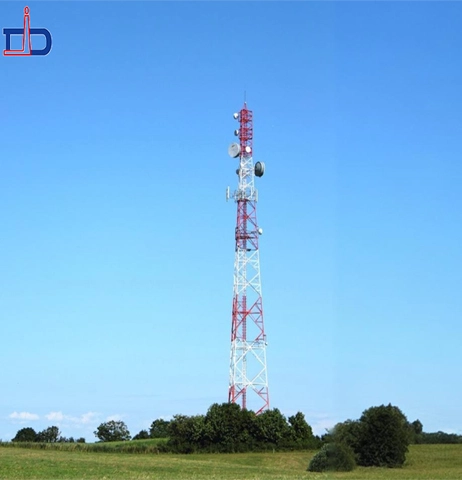
Communication towers act as elevated platforms that host antennas, transmitters, and receivers, allowing signals to be sent and captured over long distances with minimal obstruction. By raising these components above the ground, towers reduce interference from buildings, terrain, and other physical barriers, ensuring line-of-sight where possible. When a device connects to a network, the tower's antennas pick up the radio frequency signal, convert it through base station equipment, and forward it into the broader telecommunications network. The tower thereby provides the physical interface between end-user devices and the network infrastructure.
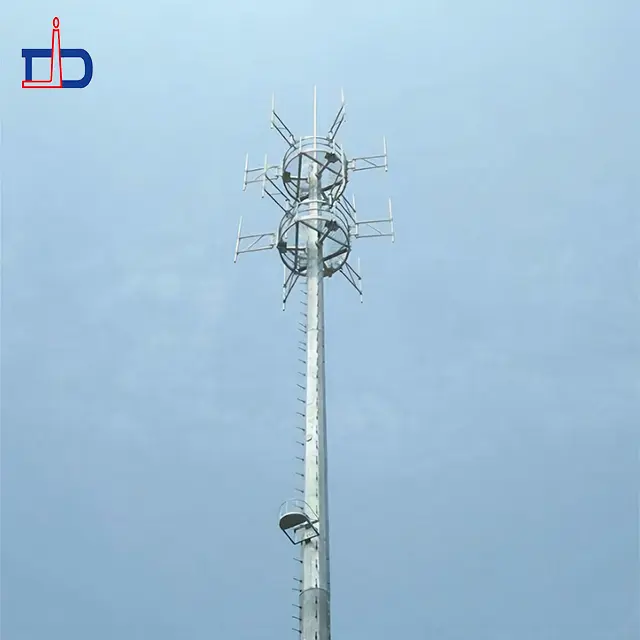
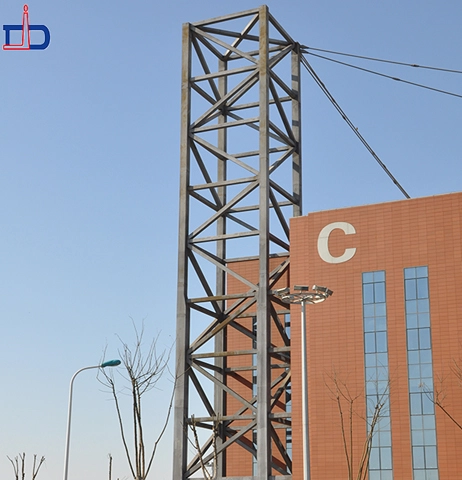
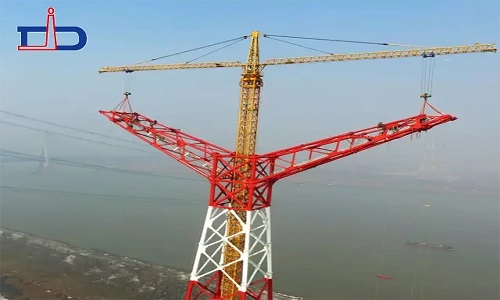
The performance and longevity of communication towers depend on robust engineering and premium materials. Common structural types include lattice towers, monopoles, and guyed towers—each chosen based on terrain conditions, space constraints, and load requirements. Key components include the foundation (often deep-piled or pad footings), the tower body (constructed using galvanised high-tensile steel), antenna mounting brackets, lightning protection systems, grounding networks, and climber safety systems. Jintong's engineering practices ensure that height, wind-load, seismic resistance and antenna loading are thoroughly calculated to meet international standards and enterprise expectations.
Jintong Towers offers end-to-end solutions designed to meet the rigorous demands of modern networks, from 4G/5G to private enterprise networks and IoT infrastructure. With decades of manufacturing experience, the company provides custom-designed tower modules, rapid installation systems, advanced anti-corrosion and weather-resistant treatments, and global logistics capabilities. Furthermore, Jintong supports clients with site assessment, structural engineering, project management and after-sales maintenance—enabling enterprises to deploy resilient, scalable and cost-effective towers that address coverage gaps, capacity constraints and the need for future-ready infrastructure.
In summary, communication towers are the backbone of both wireless and wired networks, playing a crucial role in enabling large-scale connectivity. With Jintong's professional expertise, enterprises gain access to customized, high-performance communication infrastructure that not only meets current connectivity demands but also lays a robust foundation for future growth.