- En

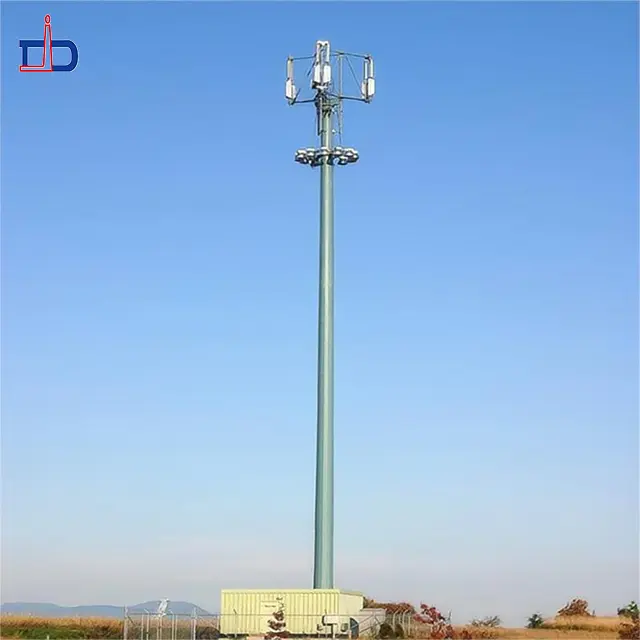
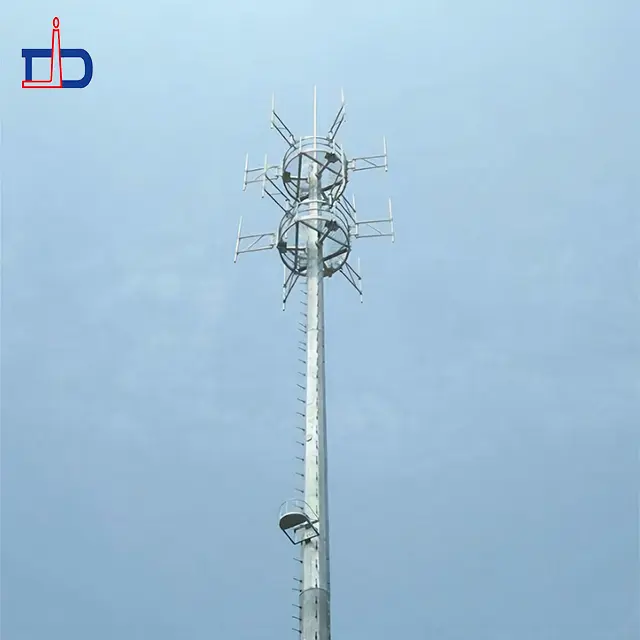
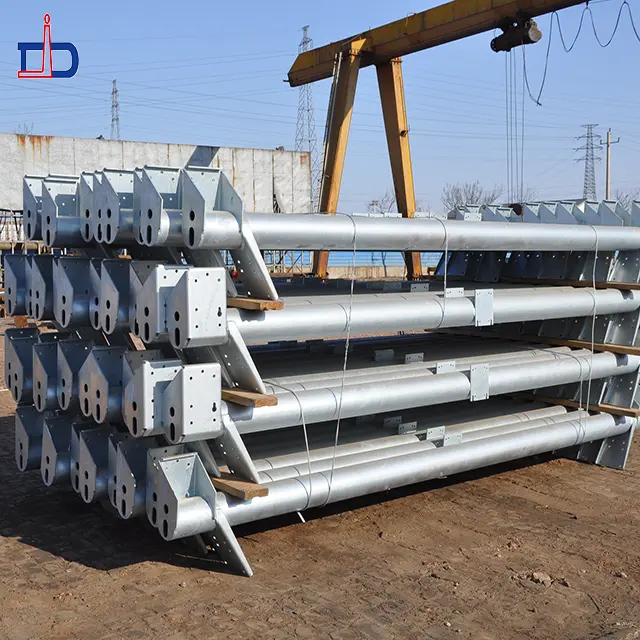

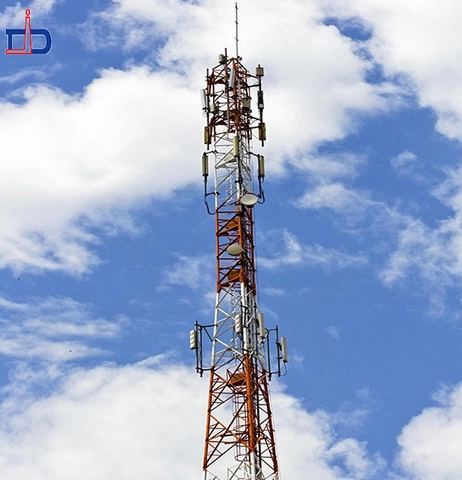
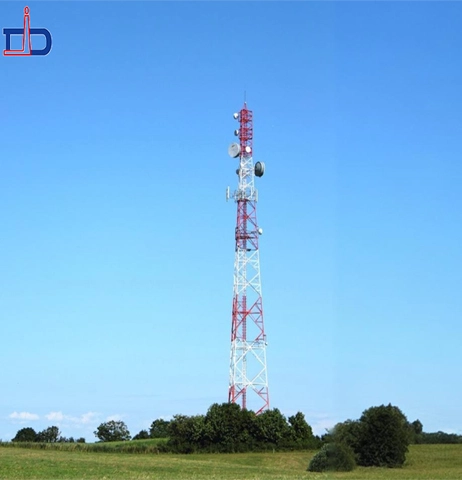
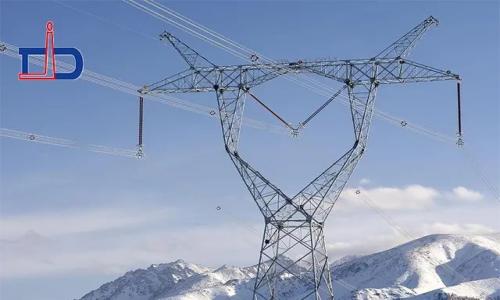
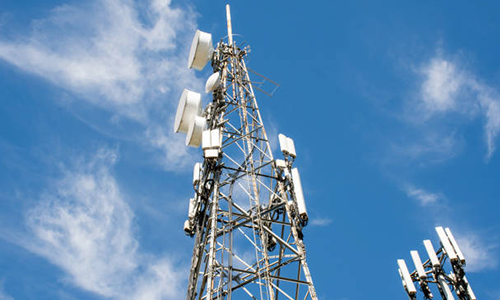
A signal transmission tower, also known as a signal tower, is a crucial structure designed to support and facilitate signal transmission. Its primary function is to hold and support signal transmission antennas, ensuring effective communication. These towers are widely used by mobile networks, Unicom, transportation satellite positioning systems (GPS), and other communication sectors, playing an essential role in maintaining robust and reliable communication networks.
| No | Item | Data |
| 1 | High | From 60M-100M or according to client's requirement |
| 2 | Use | Mobile phone signal, traffic satellite positioning system(GPS) and other signal transmission and transmission |
| 3 | Shape | Polygonal or Conical |
| 4 | Material | Normally Q235B/355B/420B/420C...Yeild Strength≥235MPa |
| 5 | Q355B,Yeild Strength≥345MPa | |
| 6 | As well as Hot Rolled coil from ASTM572,GR65,GR50,SS400 | |
| 7 | Tolerance of the dimension | According to client's requirement |
| 8 | Surface treatment | Hot-dip-any other standard by client's requirement |
| 9 | Joint of Poles | Slip joint,flanged connected |
| 10 | Manufacturing standard | GB/T2694-2018 |
| 11 | Wind speed design | 30M/s(varies by region) |
| 12 | Standard | SOI9001:2015 |
| 13 | Length of per section | Within 13M once forming |
| 14 | lce depth | 5mm-7mm (varies by region) |
| 15 | seismic strength | Lv.8 |
| 16 | Preferred temperature | -35 degrees Celsius to 45 degrees Celsius |
| 17 | Vertical direction | <1/1000 |
| 18 | Welding Standard | AWS(American welding Society)D 1.1 |
| 19 | Production Process | Raw material test-cutting-bending-welding-dimension verify-flangewelding-hole drilling-sample assemble-surface clean-galvanization or power coating /painting-recalibration-packages |
| 20 | Packages | according to client's requirement |
| 21 | Life Period | More than 30 years,it is according to installing environment |
The main purpose of monopole communication tower is to support the development and use of television, radio, telephone, internet and other wireless communication services. These towers can support high-power transmitting antennas, and can also support global satellite navigation system equipment, including GPS and GLONASS.
A telecom monopole tower stands out first and foremost for its space-efficiency and minimal footprint. Because it is constructed as a single, self-supporting vertical steel pole rather than a multi-legged lattice structure, it requires much less land area and simpler foundation work. This makes it an ideal solution in urban, suburban or otherwise space-constrained environments where real estate is at a premium or terrain is tight.
Beyond footprint, the monopole’s streamlined, sleek profile offers major aesthetic and practical benefits. With its smooth, cylindrical shape the tower blends into surroundings more gracefully than bulkier structures and can even be camouflaged or finished to meet local design requirements. That means less visual intrusion and greater acceptance in sensitive areas such as city centres, residential zones or high-visibility infrastructure.
Installation and deployment are area where monopole towers shine. Their simplified single-pole construction means fewer components, faster erection times and reduced labour and logistical costs. For projects that require rapid turn-around or lean site operations, this translates into better value and fewer construction headaches.
Durability and operational efficiency are also key. Monopole towers are engineered to withstand demanding conditions—including high winds and environmental loads—while their smaller exposed surface area and fewer structural joints reduce the potential for corrosion, wear or maintenance issues over time. That means a strong, resilient structure with lower lifetime upkeep.
Finally, versatility is built in. Whether you need to mount cellular antennas, broadcast dishes, microwave links or future-proof 5G/6G infrastructure, the monopole design accommodates multiple carriers and equipment tiers along the same shaft. Its adaptability makes it a smart choice for evolving telecom networks.