- En
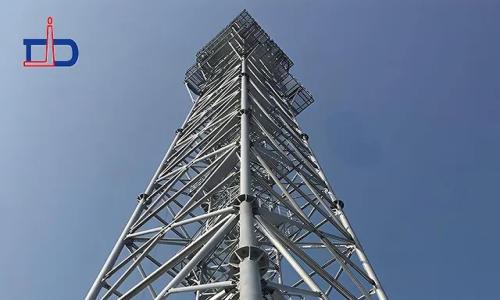
Rural and remote areas often face the problem of insufficient communication signal coverage. Due to their isolated locations and lagging infrastructure development, many places struggle to provide the quality of network connection that residents require. Telecommunication monopole towers are an ideal solution to this problem. Their simple structure, small footprint, and ease of installation make them well-suited for the unique needs of these regions. By deploying telecommunication monopole towers in these areas, communication dead zones can be effectively filled, ensuring signal coverage and significantly improving both mobile communication and internet data transmission.
Rural and remote areas often have complex terrains, such as mountains, forests, or rivers, which can act as natural barriers. The design of the telecommunication monopole tower is specifically created to address these challenges. Its height and flexible installation methods allow the tower to overcome terrain limitations, ensuring wide and stable signal coverage. Compared to traditional large tower structures, telecommunication monopole is better suited for diverse geographical environments, providing reliable network connections even in areas with obstacles.
In many remote areas, poor internet signal coverage prevents local residents and businesses from benefiting from modern communication technologies. The use of telecommunication monopole towers can quickly solve this problem by offering faster internet speeds and more stable connections. This improvement in network quality allows rural residents not only to experience better internet access but also facilitates the digitalization of local services such as e-commerce, education, and healthcare. This is crucial for bridging the "digital divide" between urban and rural areas.
Compared to traditional communication towers, the construction cost of telecommunication monopole is lower, and they can be deployed quickly. For rural and remote areas with limited resources, cost savings are a key factor. The simplified design of telecommunication monopole reduces construction and transportation challenges, making it possible to achieve network coverage even in isolated areas within a short time frame. This helps significantly reduce the financial burden for rural and remote regions in building communication infrastructure.
The maintenance of telecommunication monopole is relatively simple, especially in remote areas where personnel mobility is limited, and maintenance conditions are poor. The straightforward design and structure of these towers make them easier to maintain. The materials and technology used ensure the stability of the monopole even under harsh weather conditions, greatly reducing the risk of failures and downtime. Additionally, the moderate height of the monopole minimizes its impact on the surrounding environment and makes it less susceptible to damage from natural disasters such as windstorms and snowstorms.
By constructing telecommunication monopole towers in rural and remote areas, JUDING can help solve the issue of inadequate communication signal coverage in more regions. With its advanced design and manufacturing capabilities, JUDING is dedicated to providing high-quality, reliable telecommunication monopole, promoting the development of infrastructure and the improvement of network quality.