- En
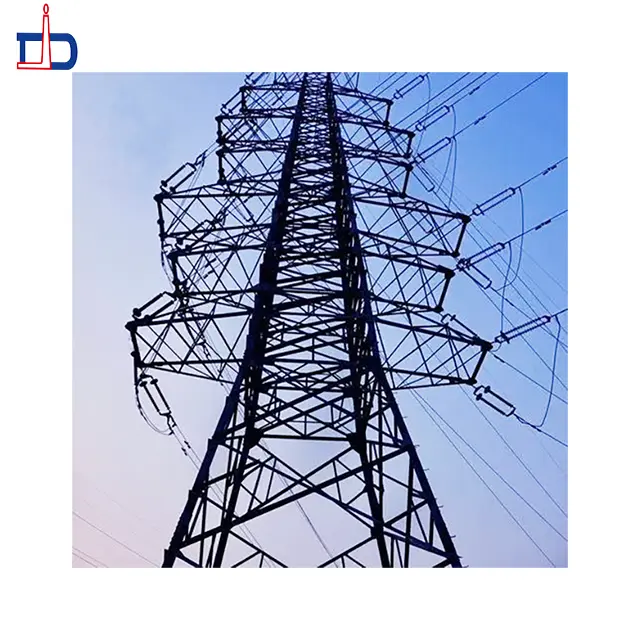
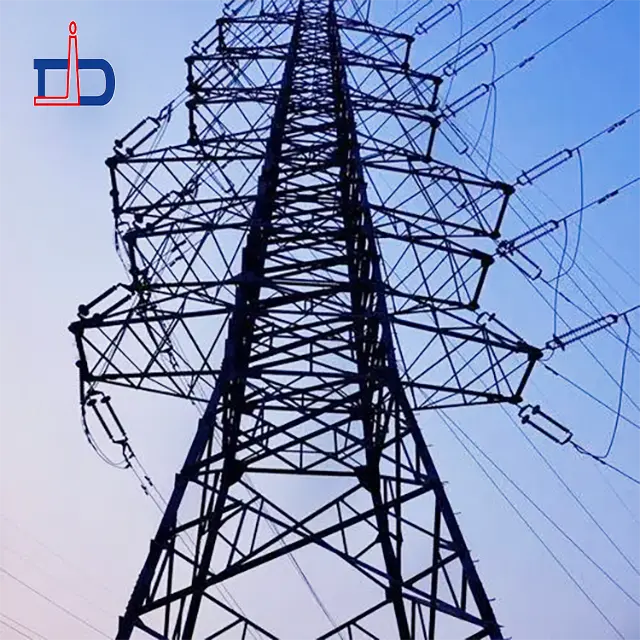
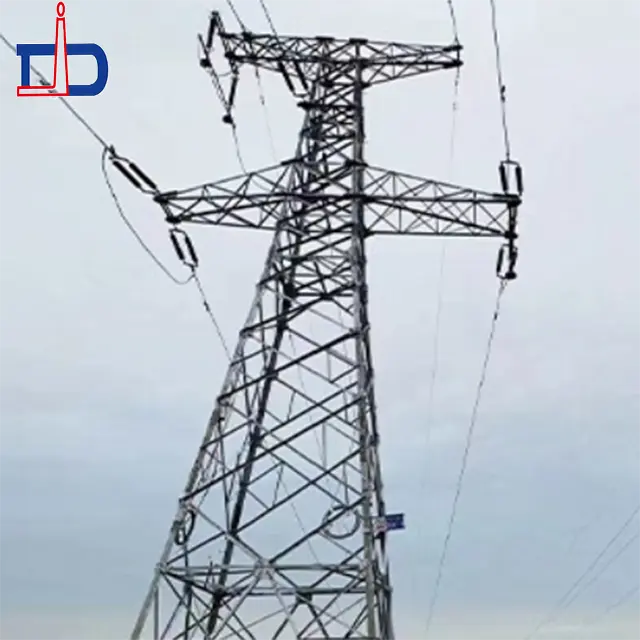
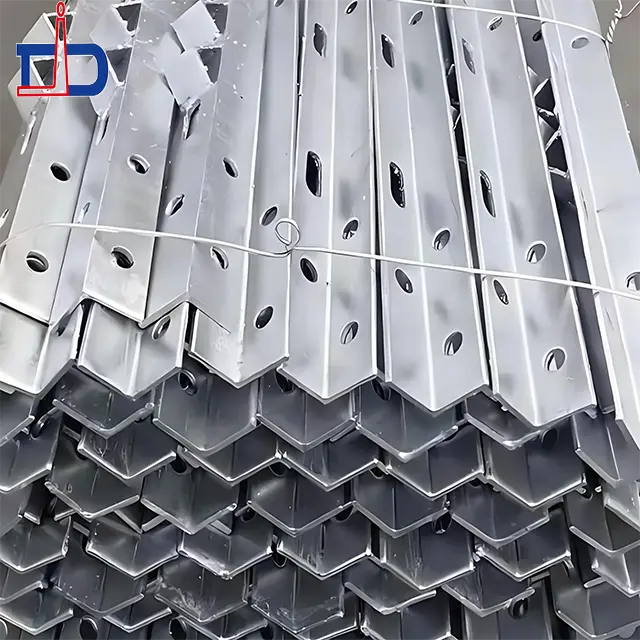
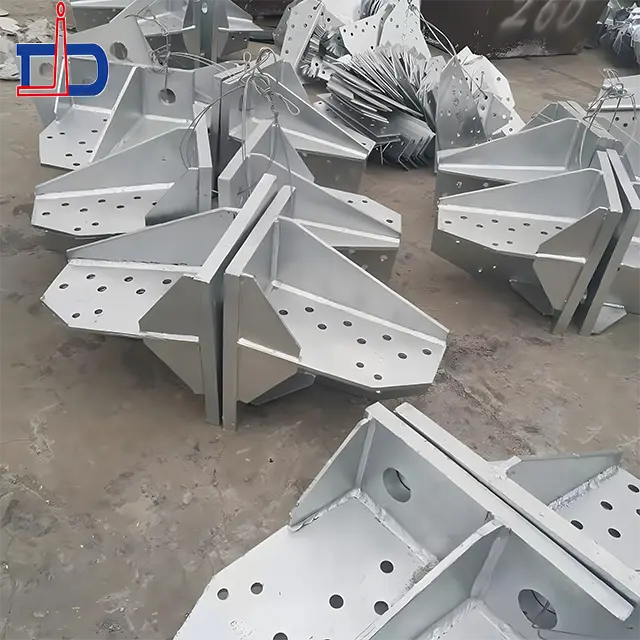
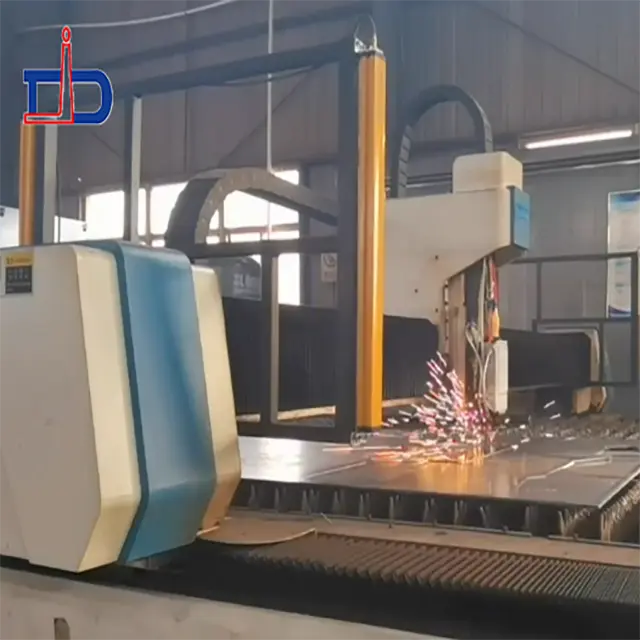
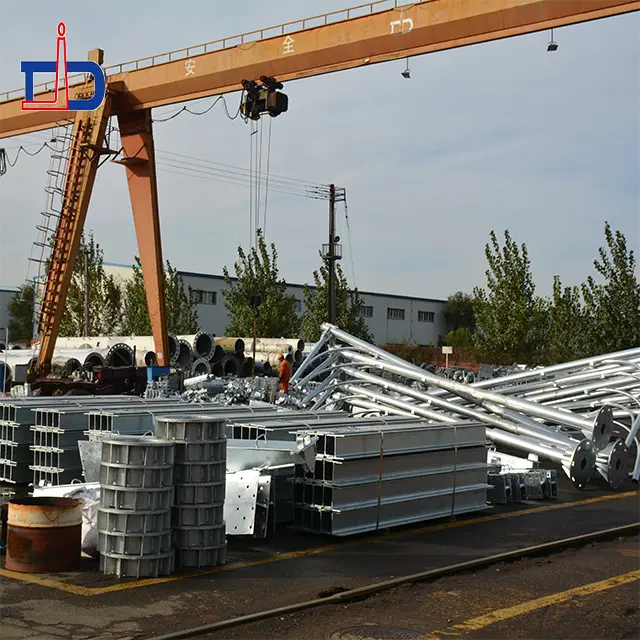
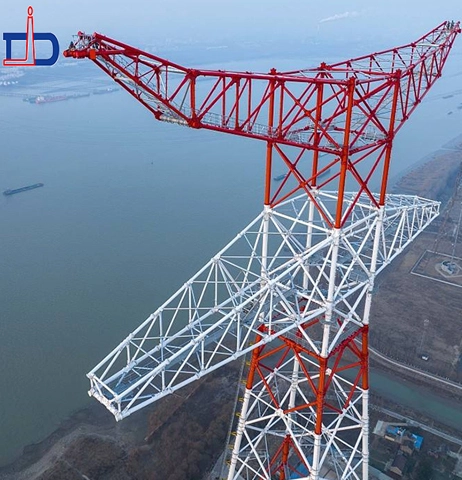
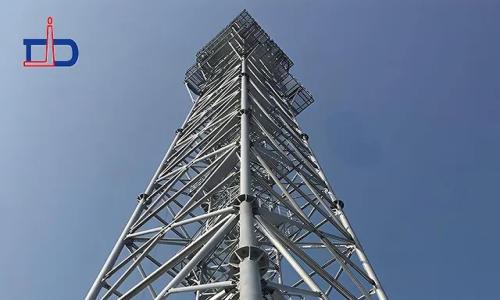
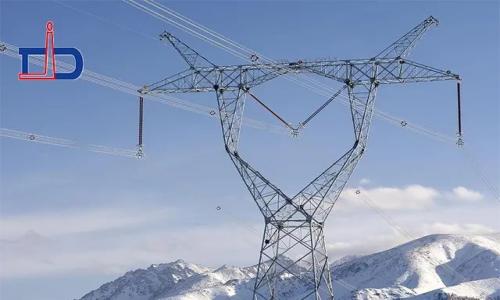
Jintong manufactures galvanized angle steel towers for utility and EPC power line projects. Built from angle-section steel members in a lattice structure, each angle steel tower is fabricated to approved drawings and agreed project specifications.
Share your tower requirements, quantities and delivery destination so our team can review the manufacturing scope and prepare a project-specific quotation.
Drawing-based fabrication · Project-specific configurations · Galvanizing and inspection coordination
Tower specifications are confirmed against the approved line design and manufacturing requirements. The items below outline the information used to define the supply scope and prepare a quotation.
| No | Item | Data |
| 1 | Height | From 10M-100M or according to client's requirement |
| 2 | Suit for | Electric Power Transmission and Distribution |
| 3 | Shape | Polygonal or Conical |
| 4 | Material | Normally Q235B/355B/420B/420C...Yeild Strength≥235MPa |
| 5 | Q355B, Yeild Strength≥345MPa | |
| 6 | As well as Hot Rolled coil from ASTM572, GR65, GR50, SS400 | |
| 7 | Voltage Class | 10kV to 1000kV |
| 8 | Tolerance of the dimension | According to client's requirement |
| 9 | Surface treatment | Hot-dip-any other standard by client's requirement |
| 10 | Joint of Poles | Slip joint, flanged connected |
| 11 | Standard | ISO 9001:2015, Products are processed in strict accordance with GB/T2694-2018, DL/T646-2012, YD/T757-2013 and other national standards |
| 12 | Length of per section | Within 13M once forming |
| 13 | Welding Standard | AWS (American Welding Society) D 1.1 |
| 14 | Production Process | Raw material test-cutting-bending-welding-dimension verify-flange welding-hole drilling-sample assemble-surface clean-galvanization or power coating/painting-recalibration-packages |
| 15 | Packages | according to client's requirement |
| 16 | Life Period | lifetime warranty, it is according to installing environment |
| 17 | Application | Overhead power transmission and distribution lines |
Please include the drawing revision, tower quantities and required delivery location in your enquiry. For line-angle applications, provide the specified deviation angle and relevant loading requirements where available.
Versatility: The standard power angle steel tower is designed to be flexible and able to adapt to different voltage levels and line routes, supporting multi-circuit power transmission. This versatility enables it to effectively transmit power in complex terrain and environmental conditions, such as mountains, plains or across rivers.
Low Maintenance Costs: The relatively simple structure of the angle steel tower and the good corrosion resistance and durability of the material make it less in need of maintenance and repair during long-term operation. This low maintenance cost feature saves the grid operator a lot of O&M costs.
High Reliability: Standard power angle towers use high-quality angle steel as the main material, which ensures the structural strength and stability of the tower through precise calculation and design.
Lattice Structure Using Angle Steel Members: The lattice structure uses angle-section steel members connected according to the approved tower drawings. This construction is widely used for transmission tower applications where structural configuration, conductor arrangement and project loading conditions determine the final tower design.
Project-Specific Tower Configurations: Tower height, body geometry, cross-arm arrangement, member sizes and connection details are defined according to the approved line design. Jintong can manufacture different angle steel tower configurations based on the customer's project drawings and tower schedule.
Hot-Dip Galvanized Steel Structure: Galvanized angle steel towers are commonly specified for long-term outdoor transmission line applications. Coating requirements, inspection criteria and any additional corrosion protection should be defined according to the project specification.
Suitable for Utility and EPC Procurement: Angle steel towers can be manufactured for utility, EPC and infrastructure projects that require drawing-based fabrication, inspection documentation, packing identification and project-specific delivery arrangements.
Angle steel describes the tower's structural construction, while the tower duty describes its role on the transmission line. The required configuration must be identified in the project drawings and reviewed together with the conductor arrangement, site conditions and loading criteria.
Angle steel lattice construction can be used for suspension structures where specified by the line design. The applicable line angle, conductor arrangement and loading limits must be checked against the approved tower configuration.
At route deviations or locations requiring specified conductor-tension resistance, the tower must be designed for the applicable load combinations. Send the required tower duty, deviation angle and project drawings so Jintong can review the fabrication requirements.
Terminal structures are used at line endings or interfaces with substation facilities. Their geometry, conductor attachments and loading requirements must be defined by the responsible project designer rather than selected from tower height alone.
Engineered to sustain unbalanced conductor loads and tension during angular shifts, insulating corner points, or termination ends, enhancing line stability.
Thickness and section modulus selected to resist wind gusts, conductor galloping, and switching surge forces—validated via structural simulation.
Advanced structural shape ensures rigidity under torsional stress, even on complicated multi-circuit or angle applications.
For transmission tower procurement, manufacturing quality must be reviewed together with the approved drawings, material requirements and inspection scope. Jintong coordinates fabrication, galvanizing and inspection according to the agreed project requirements.

Before production, the latest approved drawing revision should be confirmed together with the tower schedule, material requirements and quantities. Member sizes, hole locations, connection details and other fabrication information are reviewed against the approved documents before manufacturing begins.
Angle steel members are processed according to the approved fabrication drawings. Dimensional checks can be carried out on specified members to verify key dimensions, hole locations and connection requirements. Where special inspection requirements apply, please include them in the enquiry so they can be reviewed before quotation.
Trial assembly can be included where specified by the project or inspection plan. The required tower configuration, inspection scope and acceptance documentation should be agreed before production. Trial assembly is used to verify fit and assembly conditions and should not be confused with structural load testing unless separate testing has been specifically arranged.
Hot-dip galvanizing requirements should be defined according to the project specification and applicable acceptance criteria. Where required, coating inspection records can be coordinated as part of the quality documentation. If the project requires special corrosion protection, coating thickness or environmental specifications, please provide these requirements during the quotation stage.
Hot-Dip Galvanizing: ≥ 85 µm zinc plating, passes 1,000+ hr salt spray tests
Color Coatings: Polyester powder or fluorocarbon finishes for project-specific coding or aesthetic integration
Depending on the agreed project scope, quality documentation may include material certificates, dimensional inspection records, galvanizing records, packing lists and other specified inspection documents.
Transmission tower standards, certification requirements and inspection documents vary by project and destination market. Jintong can review the standards specified in your project documents and confirm which manufacturing, quality and certification requirements apply to the quoted supply scope.
If supplier qualification documents are required, please include the requested certificate list or tender requirements in your enquiry.
ISO 9001 / 14001 / 45001
CE Marking (EN 1090)
Welding certified to AWS & ISO standards
Global utility standard compliance: EN, IEC, AASHTO, GB
Proven performance in complex routing including mountainous, coastal, and high-wind areas
Strong torsional resistance: ideal for angle or dead-end support
Fast delivery (25–40 days typical), backed by structural reviews and documentation
Global logistics with inspection options, export packaging, and customs support
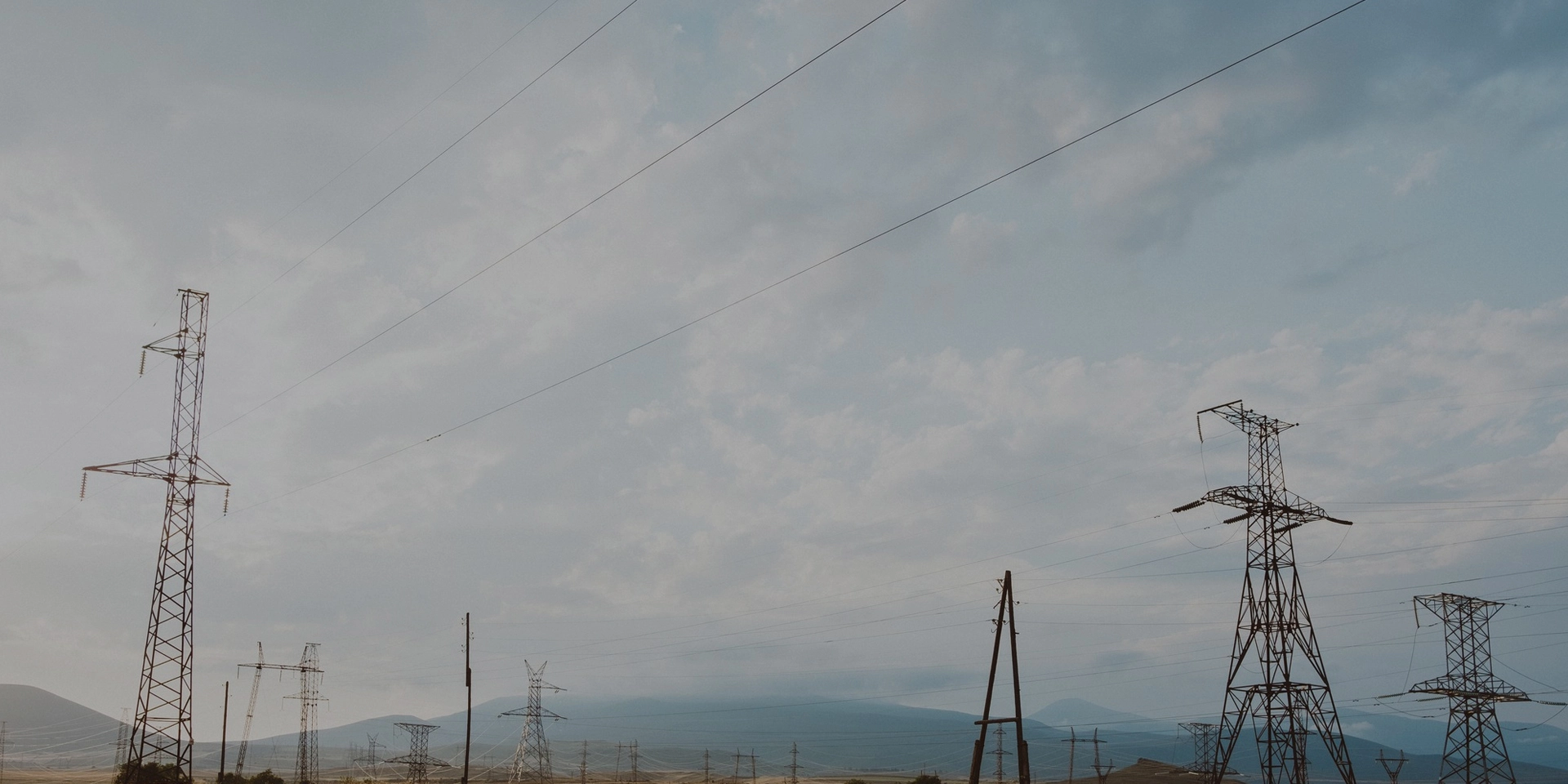
A 4-leg angle steel tower (also known as tower 4angle ) uses a lattice structure made from angle-section steel members, while a 3-leg pipe tower uses tubular steel legs and generally has fewer main structural members. Angle steel towers are widely used for transmission lines because they offer flexible geometry and are efficient for large lattice structures. Pipe towers can provide a cleaner profile and fewer connection points, but the best choice depends on tower height, loading, wind conditions, footprint, transport and project standards.
For project selection, compare the approved loading conditions, foundation requirements, fabrication scope and total installed cost—not only the number of legs.
There is no single standard size for an angle steel tower. Height, base width, body geometry, cross-arm arrangement and member sizes are determined by the voltage class, span, conductor configuration, tower duty, wind loading and project design. Transmission structures are commonly customized to approved drawings rather than selected only by a fixed height range. For quotation, provide the tower drawings, required height, voltage level, tower type and quantity so the correct configuration can be reviewed.
An angle steel tower typically includes main legs, bracing members, cross-arms, connection plates, bolts and nuts, tower body sections, peak or earth-wire supports, and foundation connection components. Depending on the project, accessories such as step bolts, hangers, washers, stubs or anchor components may also be included in the supply scope.
The exact component list should follow the approved tower drawings and bill of materials, so buyers should request an itemized supply scope with the quotation.
Angle steel transmission towers are commonly classified by their function on the line, including suspension towers, angle towers, tension towers and terminal or dead-end towers. They can also be configured for different voltage classes, circuit arrangements and project-specific loading conditions.
"Angle steel" describes the tower's structural material and lattice form, while terms such as angle tower or tension tower describe its function. The correct type should therefore be selected from the approved transmission line design.
Angle steel towers are normally manufactured from structural carbon steel or high-strength structural steel, with grades selected according to the project specification, member size and design loads. Jintong's published product information lists grades such as Q235 and Q355, as well as other project-specified steels, but the applicable grade should always be confirmed for the quoted tower. Bolts, connection plates and other components should also meet the material requirements defined in the approved drawings and procurement specification.
There is no universal wind speed rating for all angle steel towers. Wind resistance depends on the tower geometry, height, conductor loading, terrain category, reliability level and the design standard used for the specific project. For example, transmission specifications may define a project-specific basic wind speed rather than applying one fixed value to every tower.
For an accurate answer, provide the project location, required design wind speed and tower loading criteria so the tower design can be checked against the applicable specification.
Hot-dip galvanizing is one of the most common surface treatments for angle steel transmission towers because it provides long-term corrosion protection for outdoor steel structures. Depending on the project, additional options may include paint systems or other protective coatings, but the required treatment should be specified according to the environment and project standard. For procurement, confirm the required galvanizing or coating standard, thickness criteria and inspection records before production.
For an initial quotation, provide the project country, voltage level, tower type, quantity and delivery destination. If available, also send the tower drawings, tower schedule, material requirements, inspection requirements and target delivery date.
For angle or tension tower applications, include the specified line deviation angle and available loading information. Incomplete tender-stage information can still be reviewed first.